Residential Electrician Advice for Backup Generator Connections


Storms, utility faults, overloaded transformers, and planned shutdowns all have one thing in common inside a house: they expose how much modern living depends on steady power. Refrigerators warm up fast, well pumps stop, sump pits fill, furnaces go quiet, and garage doors suddenly feel heavier than they look. When homeowners start asking about backup power, the conversation usually begins with a generator size or a fuel type. The more important conversation comes a few minutes later, when the topic turns to how that generator will actually connect to the house.
That connection point is where convenience, code compliance, safety, and long-term reliability all meet. It is also where I see the biggest misunderstandings. A generator itself is only part of the system. The transfer equipment, overcurrent protection, grounding and bonding details, load calculation, and installation quality matter just as much. A good Residential Electrician will spend as much time planning the connection method as choosing the generator.
The connection matters more than most people expect
A portable generator sitting in the driveway may seem simple enough. It makes electricity, you plug things into it, and the lights come back on. That setup works for a few extension cords, but whole-house or selective-circuit backup is different. The generator has to integrate with the home’s electrical system in a controlled way. If it does not, the risk is not theoretical.
The biggest danger is backfeeding. That happens when generator power energizes wiring that should be isolated from the utility. In a bad setup, electricity can flow backward through the service equipment and onto utility lines. That creates a shock hazard for lineworkers and can destroy equipment when utility power returns. I have walked into houses where someone proudly showed me a homemade breaker arrangement or a dryer receptacle “solution” they found online. Those are the jobs where professional restraint matters. You do not argue with the homeowner, but you do explain plainly that an illegal connection can injure someone and burn the house down.
Even when a setup avoids outright backfeed, poor generator connections can create subtler problems. Voltage drop may make motors overheat. Neutral handling errors may trip GFCI devices or create objectionable current paths. Oversized generators can still perform badly if the transfer gear is wrong, if the feeder is undersized, or if starting loads were never considered. Backup power is not just about having enough watts on paper. It is about delivering stable power safely to the circuits that matter.
Portable, inlet-fed, and standby systems are not the same job
Homeowners often use the word generator to describe three very different installations. That distinction matters because the connection method changes with each one.
The simplest arrangement is a portable generator powering individual appliances through extension cords. It avoids house wiring entirely, which is why it can be useful in an emergency, but it is inconvenient and limited. You still need safe outdoor placement, weather protection, carbon monoxide awareness, and proper cord sizing. From an electrical contractor’s perspective, this is less a connection project and more a temporary appliance-use issue.
The next step up is a portable generator feeding the house through a power inlet and transfer equipment. This is one of the most practical solutions for many homes. The generator stays outside, connects to an inlet box with a cord set, and feeds selected house circuits or a manual transfer switch. This approach gives homeowners much better usability without the cost of a fully automatic standby unit. It is also where a Residential Electrician can add a lot of value by matching the inlet amperage, cord, breaker, and transfer equipment to the actual generator output instead of guessing.
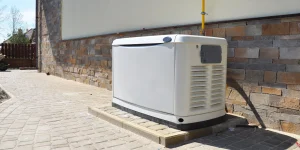
Then there is a permanently installed standby generator, usually tied to natural gas or propane and paired with an automatic transfer switch. This is the smoothest user experience by far. The system senses a utility outage, starts the generator, transfers the load, and reverses the process when power returns. It costs more up front, needs more site planning, and usually requires coordination across trades. When it is done right, though, it is the closest thing to uninterrupted living a homeowner can get short of a commercial-grade power system.
These are not interchangeable categories. A house prepared for a 30-amp portable generator inlet is not automatically ready for a 22-kW standby unit. Service capacity, transfer gear, gas piping, equipment clearances, and load management all change.
Transfer switches are the heart of a safe connection
When I explain generator connections to clients, I spend a lot of time on transfer switches because that device is what keeps utility power and generator power from mixing. Without transfer equipment designed for the job, the installation should stop right there.
A manual transfer switch is common with portable generators. It allows the homeowner to switch selected circuits from utility to generator power when an outage occurs. These are often sized for essential loads such as refrigeration, heating controls, lighting, garage door openers, kitchen receptacles, internet equipment, and perhaps a sump pump. Good manual setups are honest about their limits. You are not trying to run every electric appliance in the house. You are choosing what the family truly needs for 8 hours, 24 hours, or 3 days.
An interlock kit is another legal option in some panel configurations, provided it is listed for the panel and installed properly. It mechanically prevents the main breaker and generator backfeed breaker from being on at the same time. Interlocks can be a clean solution where panel compatibility exists, but they still require good load discipline. Homeowners need to understand that with an interlock, the panel may have access to many circuits, but the generator does not magically grow larger during an outage. The user must manage loads intelligently.
Automatic transfer switches belong with standby generators. The details here matter. Some switches are service entrance rated. Some are not. Some switch the neutral where required by system design. Some incorporate load shedding or load management modules to keep large appliances from overwhelming the generator. I have seen expensive standby systems perform poorly simply because someone selected the generator by square footage and the transfer switch by convenience. A proper design starts with real electrical loads, especially central air conditioning, electric water heating, well pumps, septic pumps, resistance heat, and electric cooking.
Sizing the system starts with the loads, not the brochure
Manufacturer literature often highlights a big wattage number, and homeowners naturally gravitate toward it. The real world is less tidy. Loads have startup characteristics, duty cycles, and seasonal changes. A refrigerator that runs comfortably on a generator once it is operating may draw several times its running current for a brief moment during startup. Well pumps can be even more demanding. Air conditioners and heat pumps add another layer because compressor starting current can be substantial.
That is why load planning matters so much. In a modest gas-heated home, an essential-circuit backup setup might comfortably carry the refrigerator, freezer, lighting, boiler controls or furnace blower, microwave, receptacle circuits, internet equipment, and sump pump on a generator in the 5,000 to 8,000 running watt range, assuming not everything starts at once. A larger house with a deep-well pump, multiple refrigeration loads, and air conditioning may need significantly more. If the home is all-electric, especially with electric resistance heat or electric water heating, the conversation changes quickly. Those houses often require either a much larger standby system or a disciplined selective-load approach.
A good Residential Electrician looks beyond normal operation and asks tougher questions. What happens in January when the well pump starts while the blower motor is on and the microwave is running? What happens if the sump pump cycles during a thunderstorm while the refrigerator and freezer both happen to restart? What must run, what can wait, and what should never be on generator power at the same time? Those questions produce better systems than broad claims about “whole-house backup.”
Neutral and bonding details can trip up otherwise decent installations
This is one of those subjects homeowners rarely hear about until something misbehaves. Yet it causes many service calls after generator installations.
Generators may have a bonded neutral or a floating neutral, depending on the design. Transfer equipment may switch the neutral or leave it solidly connected. The home’s service already has a specific grounding and bonding arrangement. Those pieces have to work together. If they do not, you can end up with nuisance tripping, unsafe parallel neutral paths, or grounding behavior that does not align with the equipment listing and code requirements.
This is not an area for improvisation. I have seen well-meaning installers remove bonds they should have left alone and leave bonds in place where a switched-neutral system required a different approach. The result is usually confusion, intermittent problems, or a failed inspection. Sometimes it surfaces only when a GFCI-protected load gets plugged into the system or when a transfer event occurs under load.
The practical takeaway for homeowners is simple. Generator connections are not just about matching plug shapes and breaker sizes. They involve system-level electrical design. If your installer cannot clearly explain how the neutral is handled and why the chosen transfer method is correct for that equipment, keep asking questions.
Placement and environment affect connection quality
Generator conversations often focus on the electrical room, but some of the most important decisions happen outside. Portable units need stable, dry placement well away from doors, windows, and vents. Standby generators need code-compliant clearances from the house, combustibles, openings, regulators, and often property lines or local zoning features. Those distances vary by equipment and local requirements, which is why site planning should happen before equipment is ordered.
Connection quality also depends on exposure. I have replaced more than a few inlet boxes and cord caps that were technically outdoor-rated but installed where roof runoff hammered them every storm. Corrosion inside a receptacle creates resistance, resistance creates heat, and heat creates trouble. The same goes for standby units installed in low spots where snowmelt or poor drainage leaves them standing in wet soil for days at a time. Equipment can be weather-resistant and still suffer when the site is careless.
Noise is another practical issue. The homeowner may focus on keeping the generator close to the panel, but the better location could be farther away if it reduces sound at bedroom windows, avoids prevailing snow drift, and still allows a reasonable wiring run. There is always a balancing act between electrical efficiency, fuel access, serviceability, and everyday livability.
Fuel choice changes the electrical conversation
At first glance, fuel seems outside the electrician’s lane. In practice, it affects the entire backup strategy.
Portable generators usually run on gasoline, though dual-fuel and tri-fuel models are increasingly common. Gasoline units are accessible and relatively affordable, but they require fuel storage discipline. Gas degrades, carburetors gum up, and outages rarely happen on a calm Saturday when the homeowner has fresh stabilized fuel on hand. Propane stores better and burns cleaner, but cylinders empty faster than many people expect under sustained load.
Standby generators typically run on natural gas or propane. Natural gas offers long-duration runtime as long as the gas utility remains available, which it usually is during electrical outages, though not universally. Propane offers independence from utility gas but depends on tank size and delivery logistics. From the electrical side, fuel reliability shapes load planning. A generator with endless runtime can justify a different backup strategy than a portable unit with limited on-site fuel.
I have had clients insist they needed whole-house electrical backup when what they really needed was a resilient heating plan and refrigeration backup for 48 hours. Others wanted a modest portable setup but had a medical device, private well, and finished basement sump dependence that pushed them toward a more robust system. Fuel, runtime, and electrical loads always belong in the same conversation.
A few questions worth asking before any installation begins
Homeowners do not need to become electricians to make good decisions, but they do need to ask the right questions. These five usually reveal whether the project is being approached seriously.
- Which loads will be powered, and how was that determined?
- What transfer equipment will be used, and how does it prevent backfeed?
- How will neutral and bonding be handled for this specific generator and switch setup?
- Is the system sized for startup loads, not just running watts?
- What maintenance and testing will keep the system reliable after installation?
If the answers are vague, sales-heavy, or built around generic package sizes, that is a sign to slow down.
Permits, inspections, and utility coordination are not paperwork trivia
Some homeowners see permits as an avoidable expense. On generator work, that attitude usually costs more later. Backup power connections involve life-safety issues, and inspections catch problems that are easy to miss when everyone is moving fast before storm season.
A permitted job also creates a record of what was installed. That matters when the home is sold, when insurance questions arise after a fire, or when another electrician services the system years later. Utility coordination may also be required depending on the service equipment changes involved. If a standby installation includes a service-rated transfer switch or changes at the meter and main service disconnect, the power company may need notice or approval.
Local rules can affect placement, noise, gas work, and electrical methods. Some jurisdictions are stricter than others, especially in flood-prone areas or dense neighborhoods. None of that is glamorous, but it is part of doing the job correctly.
The most common mistakes I see in the field
Bad generator installations usually do not fail all at once. They fail a little at a time, often during the worst weather of the year, when service calls are hardest to schedule and homeowners are under stress.
- Undersized planning, where the generator can technically run the house until one motor starts and everything sags
- Improper transfer methods, especially illegal backfeed arrangements with no listed isolation
- Poor cord and inlet choices that overheat, corrode, or create nuisance failures
- Neglected maintenance, including dead starting batteries, stale fuel, and test runs that never happen
- Overpromising whole-house capability when the real setup only supports selective loads
Most of these issues are preventable with upfront honesty and better design.
Maintenance is part of the connection, whether people like it or not
A backup generator that sits untouched for three years is not really backup power. It is stored equipment with good intentions. The electrical connection can be perfect and still fail the homeowner if the engine will not start, the battery is dead, or the transfer process has never been tested under load.
Portable units should be exercised periodically, fuel rotated or stabilized appropriately, oil checked, and cords inspected for damage or heat discoloration. Inlet boxes and plugs deserve a close look, especially after wet seasons. Standby generators need the manufacturer’s maintenance schedule followed, including battery checks, oil and filter service, air filter replacement, and periodic transfer testing. Many standby units self-exercise, but an unloaded exercise cycle is not the same as confirming that the house actually transfers and carries expected loads correctly.
One of the more frustrating calls I get comes after an outage, when a homeowner says the generator “worked fine last time.” Last time may have been five years earlier, https://caidenjsth820.readspirex.com/posts/residential-electrician-solutions-for-overloaded-circuits under lighter loads, before a battery aged out and before someone added a second freezer in the garage. Backup systems should be retested whenever major electrical loads change.
Matching the connection to the household, not the sales pitch
The best generator setup for a retired couple in a small gas-heated ranch may be very different from the right system for a large family in a well-watered, sump-dependent two-story house. One may benefit most from a manual transfer switch and a quality portable generator. The other may need an automatic standby generator with load management because outages happen during travel or because basement flooding is too high a risk to leave to chance.
I once worked with a homeowner who was convinced he needed a large whole-house standby unit because a neighbor had installed one. After walking through the loads, we found his critical needs were narrower than he thought: refrigeration, internet, boiler controls, a few lighting circuits, a medical device receptacle, and the well pump. A carefully designed selective-load setup cost far less, was easier to maintain, and met his real risk profile. On another project, a family with frequent winter outages, two sump pumps, and remote work requirements tried to save money with a portable arrangement. After two years of dragging cords through sleet at 2 a.m., they upgraded to automatic standby and never regretted it. Neither choice was universally right. The right answer depended on the house and the people living in it.
That is the kind of judgment an experienced Residential Electrician brings to generator connections. Not just wire sizes and breaker types, though those matter. The real value is in understanding how houses behave during outages, how equipment behaves under imperfect conditions, and how to build a system that works when nobody is thinking clearly because the storm just knocked the block dark.
A safe, durable generator connection is rarely the cheapest line item in the project, but it is the part that protects the home, the utility workers outside, and the investment the homeowner is making. If backup power is supposed to deliver peace of mind, the connection is where that promise is either kept or broken.
Paxos Electric Company, LLC
255 NJ-15, Wharton, NJ 07885, United States
+1 973-598-8543
FAQ About Residential Electrician
What does a residential electrician do?
A residential electrician installs, inspects, maintains, and repairs electrical systems in homes. Common services include troubleshooting circuits, replacing panels, adding outlets and lighting, and completing electrical work for renovations.
When should I call an electrician for my home?
Call a licensed electrician if you notice repeated breaker trips, flickering lights, buzzing, burning odors, warm outlets, sparks, or unexplained power loss. Urgent warning signs should be addressed promptly.
Can a residential electrician upgrade an electrical panel?
Yes. A qualified electrician can evaluate the existing service, determine whether an upgrade is appropriate, obtain required permits, and install a panel sized for the home and planned electrical loads.
Do I need an electrician to install an EV charger?
A home EV charger often needs a dedicated circuit and a review of panel capacity. A licensed electrician can confirm the manufacturer requirements and complete the installation according to local electrical codes.